Latest
Oct 27 · 42.22 pre-release: ladders and crowbar break-insOct 23 · First-person mods are not officially supportedOct 21 · The Indie Stone on Java mods: download responsiblySep 28 · Build 42.21 Stable: zombie duplication fixesAug 26 · Security fixes on every branchAug 17 · Servers now handle up to 254 playersJul 29 · Build 42 goes Stable

Winter survival in Project Zomboid

Winter in a default Build 42 game arrives about 145 days after the July 9 start and lasts from December through February. This page explains how cold, wind and wetness affect your character, how to heat a base, what happens to food and water, and what to finish before the first snow. Written for Build 42 (42.22), November 2026.

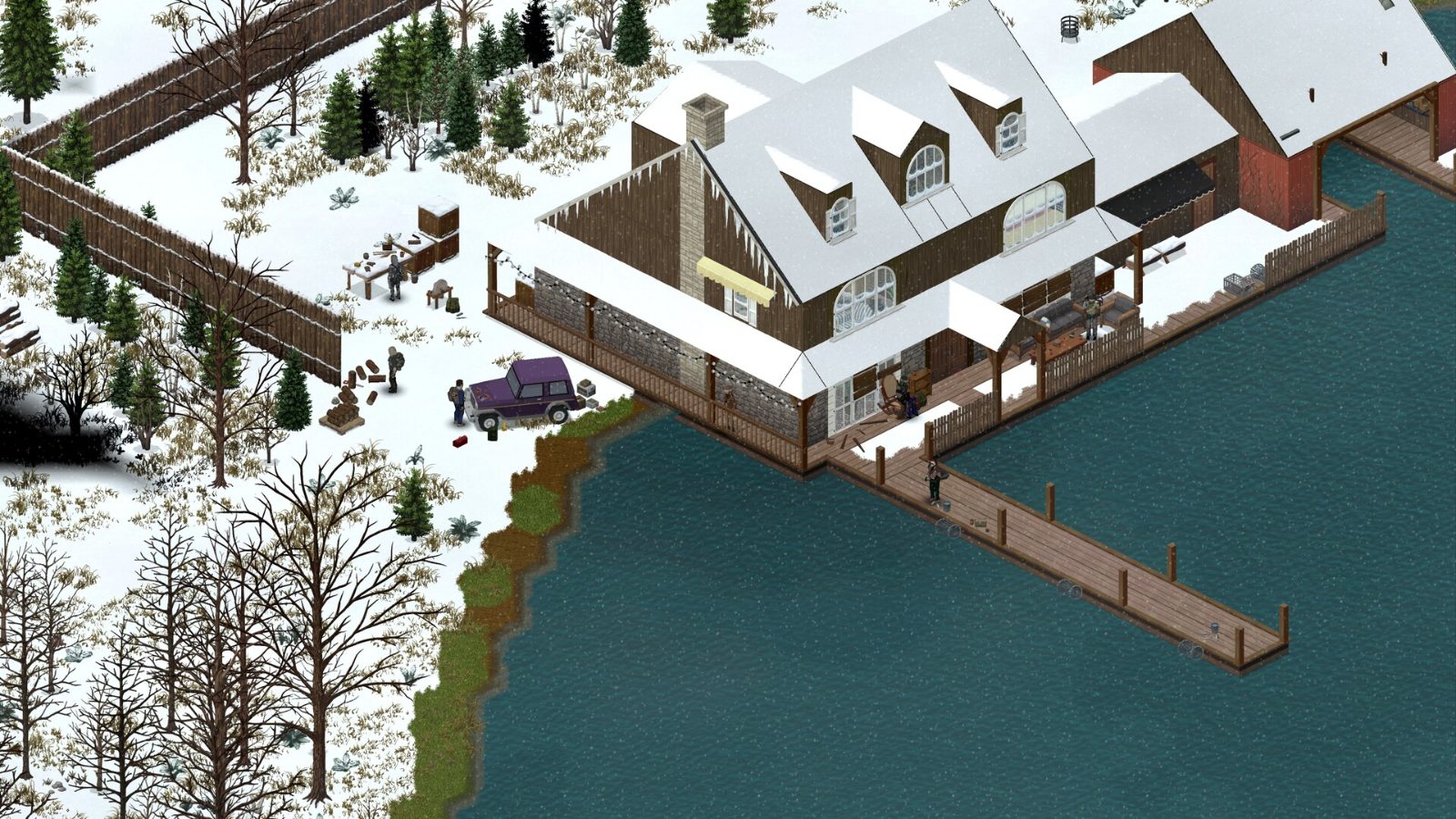
A lake house under snow in Project Zomboid
Snow settles over Knox Country from December, when clothing and a lit stove matter most.
01Part

When winter starts

A default game starts on July 9. Winter covers December, January and February, so the first cold season begins about 145 days in and ends when March starts. If you change the start month in the sandbox settings, the calendar moves with it.

The cold does not switch on overnight. Autumn brings temperature swings and fog, and the first frosts can arrive before December. Snow falls when precipitation meets air at or below freezing. One guide gives the winter range as -22 to 32 °F (one source), and the lower end of that looks extreme, so treat it as a rough picture. The sandbox Temperature option runs from Very Cold to Very Warm and shifts the whole year.

Days are also at their shortest, which cuts the safe daylight for looting. The radio forecast described on the weather page warns of blizzards ahead of time.

02Part

Body temperature and the cold moodles

Your character has a core body temperature that drifts toward the air around you. Clothing, wetness, wind, activity and nearby heat all push it up or down. When it drops, the Hypothermia moodle appears in four stages. Two Build 42 sources agree on the thresholds below. The speed penalties come from a single guide, which itself calls them approximate.

StageBody temperatureReported effect
ChillyBelow 36.5 °CNatural healing stops, higher chance of catching a cold (one source)
ColdBelow 35 °CAbout a third off combat and run speed (one source)
FreezingBelow 30 °CAbout two thirds off speed (one source)
HypothermiaBelow 25 °CAlmost no combat ability, no running, health drains in sub-zero air (one source)

A separate Windchill moodle shows outdoors in cold wind. It means the air feels colder than the thermometer says, and it goes away when you step inside. Hunger and tiredness make cold worse, so keep fed and rested.

03Part

Clothing, wind and wetness

Each piece of clothing has an Insulation value and a Wind Resistance value. The game adds them up per body area, so head, torso, hands, legs and feet each need cover. Open the clothing insulation view on the character screen to see which areas are weak. Layers stack: thermal underwear, a sweater, a padded jacket, padded pants, a scarf, gloves, a winter hat and boots is a typical set. Sources do not publish reliable per-item numbers for Build 42, so read the values in game.

Wetness is what turns cold into a real danger. Wet clothes insulate badly. The Wet moodle has four stages: Moist, Wet, Soaking and Drenched, and the last two warn that you could catch a cold. In Build 42 you can wring out wet clothes, which Build 41 did not have. You can also dry your body with a towel, change into a spare set, or run a powered dryer. One guide says fires and heaters warm you but do not dry clothes faster (one source); another guide says the opposite, so do not rely on a fire for laundry.

Opinion Keep one complete dry winter outfit at base and spare socks and gloves in your bag. Padding and patching your winter set through tailoring before December is worth the thread.

04Part

Heating a base

Clothing does most of the work. Heat sources add to it and let you recover fast after a trip outside. Walls alone do little: a player in a Steam thread measured 43 °F inside a house in early December.

Heat sourceWhat it needsNotes
FireplaceLogs, planks, paper or other burnablesFound in some houses, cannot be crafted. Warms its own room best.
Wood stoveSame fuel as a fireplaceFound in cabins and rural houses. Also cooks.
Antique stoveSame fuelMovable with a hammer, weight 40, heat reaches up to 8 tiles on a full fire (one source). Works with no power.
CampfireFuel plus a way to light itFine outdoors. Indoors it can set wooden floors and carpet alight.
Vehicle heaterRunning engine, fuel, working heater partOnly blows warm once the engine has warmed up. Uses extra fuel.
GeneratorGasolineRuns fridges, freezers, lights and dryers. Whether it restores house heating is not confirmed.

Players often ask about electric or kerosene space heaters. One guide lists a kerosene heater, but we could not confirm one exists in the unmodded game, so do not plan around it. See fire for lighting and fire safety and generators for fuel use.

Opinion Put the bed, the kitchen and the stove in one small room and keep a bucket of water or an extinguisher there.

05Part

Food, water and travel in winter

Crops. With the default Apocalypse settings, outdoor crops that are not cold-hardy take damage once it gets cold, and one Build 42 guide puts the damage line at a temperature of 10 (one source). Ordinary crops kept indoors also lose health unless the room counts as a greenhouse. A few crops are sown late in the year and tolerate cold.

CropSow windowMonths to avoid
Barley, wheat, rye, flaxAugust to OctoberJune, July
GarlicJuly to SeptemberJune
KaleFebruary to AugustNovember to January
CabbageFebruary to JulyOctober to January
LeekMarch to SeptemberOctober to January

This table comes from one guide (one source). Compare it with our crop data before planting.

Foraging. Foraging does not stop, but most plants and insects are tied to March through November, and snow lowers the chance of food finds and shrinks your search radius. Winter berries, stones and firewood remain.

Other food. Fill a freezer while you have power, then lean on canned food, dried and jarred food, trapping, fishing and livestock. Pair vegetables with fats and protein so calories keep up.

Water. Rain collectors still fill during snow, at half the rain rate (one source). Two sources mention frozen water in connection with winter, but neither explains a freezing mechanic, and we could not confirm that wells, lakes or barrels freeze. Store bottled water indoors anyway. See water.

Vehicles. We found no confirmed driving penalty from snow in Build 42. One guide says walking through snow is slower and burns more calories (one source). The practical risks are a dead battery, which means no heater, and shorter daylight. Check the car before winter using the vehicles guide.

06Part

Catching a cold

Staying wet or cold for a long time can give you the Has a Cold moodle. It runs through Runny Nose, The Sniffles, Head Cold and Nasty Cold. The early stages make you sneeze now and then. The later ones add coughing and make you slower. Sneezes and coughs are noise, and noise draws zombies.

There is no instant cure. Stay indoors, warm, dry, fed and hydrated, and it clears over several days. A cold is not the zombie infection, although early fever symptoms can look alike. The Outdoorsy trait reduces how much harsh weather affects you but does not make you immune.

07Part

Checklist before December

  1. Collect a full winter outfit covering head, torso, hands, legs and feet, plus one dry spare set.
  2. Pick a base with a fireplace or wood stove, or carry an antique stove home.
  3. Stack several weeks of logs and planks next to the stove.
  4. Store non-perishable food and fill a freezer if you have generator fuel.
  5. Sow cold-hardy crops in late summer and harvest everything else before the first frost.
  6. Fill water containers and keep them indoors.
  7. Service one vehicle: battery, heater, fuel.
  8. Keep towels and a water bucket or extinguisher in the heated room.

The Winter is Coming challenge, which returned in Build 42.20, removes the preparation time. Build 42 sources describe it as deep winter from the first day, with reduced foraging and scarce water. Older descriptions mention a short grace period before the snow, and we could not confirm which applies in 42.22.

08Part

Quick answers

When does winter start in Project Zomboid?

Winter runs from December through February. With the default July 9 start that is roughly 145 days into the game.

How do I stop hypothermia?

Get indoors, change out of wet clothes, put on insulated layers over every body area and stand near a lit fireplace or stove. Eating and resting also help.

Do generators heat a house in Build 42?

We could not confirm that a generator restores house heating. It does run freezers, lights and clothes dryers, so rely on clothing and a wood-burning heat source for warmth.

Can I farm in winter?

Most outdoor crops take cold damage with default settings. A few cold-hardy crops such as winter grains, garlic, kale, cabbage and leek are sown earlier in the year, so plan planting before winter.

Is a campfire safe indoors?

No. An indoor campfire can ignite wooden floors and carpet. Use a fireplace, wood stove or antique stove inside and keep water nearby.

What is the Winter is Coming challenge?

It is a built-in challenge that returned in Build 42.20 and puts you in harsh winter conditions almost immediately, so you must find warm clothes, heat and food without months of preparation.

Moodle thresholds are confirmed by two Build 42 sources; speed penalties, stove radius, crop windows and the snow fill rate each come from one guide and are marked. Nothing here was measured in game by us. Sources: PZFans winter guide (42.19) · projectzomboid.wiki winter survival · Build 42 Guide: moodles · Pindrop moodle thresholds · PZFans antique oven guide. Your game is the final word: if it disagrees with us, tell us and we will fix the page.